

Tenant retention has become an increasingly important part of successful commercial property ownership. Today, office tenants are looking beyond square footage and location when evaluating their real estate needs.
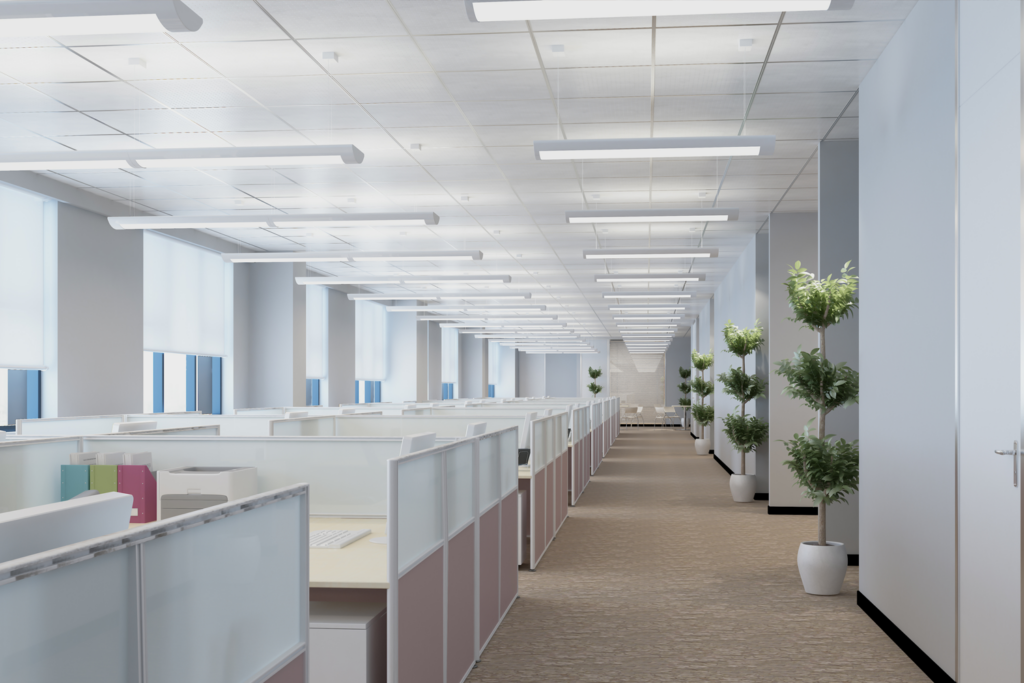
The quality of the workplace also matters. As a result, landlords are finding new ways to strengthen tenant relationships and encourage long-term occupancy.
Strategic property improvements can play an important role in that effort. Recently, WCRE Property Management coordinated a series of improvements for longtime tenant Pennoni as part of its lease renewal. The project demonstrates how landlords can invest strategically in existing tenants while protecting the long-term value of their properties.
Why Tenant Retention Matters for Commercial Property Owners
Keeping quality tenants provides important benefits for commercial property owners. A lease renewal can reduce downtime, limit vacancy exposure and avoid the uncertainty associated with replacing an existing tenant. However, successful tenant retention often begins well before a lease reaches its expiration date. Understanding how tenants use their space can help landlords identify opportunities for improvement. Additionally, proactive property management can provide valuable insight into tenant needs throughout the lease term. Those conversations can become particularly important as renewal discussions approach. Rather than viewing improvements only as expenses, landlords can consider how targeted investments support their overall retention strategy.
The Workplace Experience Is Changing
The role of the office continues to evolve. Employees increasingly expect workplaces to provide opportunities for collaboration, connection and convenience. At the same time, tenants are becoming more selective about the quality of their office environments. Modern finishes alone do not create a successful workplace. Instead, spaces should support how employees actually use the office throughout their day. Break rooms, common areas, restrooms and other shared spaces can all contribute to that experience. Therefore, improving these areas can provide meaningful value without requiring a complete building renovation.
Investing in a Long-Term Tenant
Pennoni has been a long-term tenant at the property. As part of its lease renewal, ownership invested in several improvements throughout the tenant and common areas. WCRE Property Management coordinated the project from planning through completion. The improvements included renovations to Pennoni's employee break room and restrooms. Additionally, upgrades were completed within the building's lobby and elevator. Each improvement addressed an existing space while creating a more modern workplace environment. However, the project was about more than updating finishes. It represented an investment in the tenant relationship and the property's continued success.
Creating a Break Room Employees Can Enjoy
One of the project's most significant transformations involved Pennoni's employee break room. Previously, the room was dark, outdated and primarily served basic functions. Employees could prepare meals, but the space offered little incentive to stay, gather or socialize. The renovated break room takes a different approach. WCRE Property Management helped create a brighter and more welcoming environment for employees. The updated space encourages employees to step away from their desks during the workday. Additionally, it provides an inviting place for coworkers to gather and connect. These types of spaces have become increasingly valuable within today's office environment. As companies encourage employees to spend more time together, workplace design can help support that goal.
Modernizing Outdated Building Features
The project's restroom renovations addressed another area in need of significant modernization. Existing restrooms featured colorful ceramic tile and finishes dating back several decades. While functional, the spaces no longer reflected the expectations of today's office users. The renovations replaced those outdated elements with a cleaner and more contemporary design. Additional improvements were also completed within the building's lobby and elevator. Together, these upgrades created a more consistent experience throughout the property. For landlords, improvements like these can also help older buildings remain competitive against newer office inventory.
Completing Improvements Without Disrupting the Tenant
Renovating an occupied workplace presents another important challenge. Businesses still need to operate while improvements are underway. For Pennoni, minimizing disruption was a priority throughout the project. Therefore, construction crews completed the work after normal business hours. Teams worked nights and weekends while Pennoni continued its regular daytime operations. This approach required careful scheduling, communication and project coordination. Ultimately, Pennoni employees could continue working while improvements progressed around their operating schedule. This is where experienced commercial property management becomes particularly important. Property managers can serve as a connection between ownership, tenants, contractors and other project partners. That coordination helps projects move forward while considering the needs of everyone involved.
Property Improvements as a Tenant Retention Strategy
Not every tenant requires a complete office renovation to consider renewing its lease. Instead, landlords can focus on improvements that provide meaningful value to the tenant. That could include refreshed common areas, updated amenities or improvements within the tenant's space. The right strategy will vary by property and tenant. However, the underlying goal remains the same. Landlords should understand what their tenants value and determine where strategic investments make sense. Property management teams can help identify those opportunities through ongoing communication and day-to-day involvement. As a result, improvements become part of a broader asset strategy rather than isolated construction projects.
Managing Properties With Long-Term Value in Mind
Successful commercial property management extends beyond maintaining building systems and responding to service requests. It also requires understanding the relationship between the property, ownership and the people using the building every day. For WCRE Property Management, the Pennoni project reflects that broader approach. Ownership invested in an established tenant as part of a long-term lease renewal. Meanwhile, the improvements created a more modern and functional environment for Pennoni employees. Careful project coordination also allowed the work to move forward without disrupting normal business operations. Together, these efforts demonstrate how strategic property management can support tenant satisfaction, retention and long-term property value. WCRE Property Management works with commercial property owners throughout the region to manage daily operations, tenant relationships and property improvement projects. By taking a proactive approach, owners can better position their properties to meet tenant expectations today and into the future.

